
Why Premium Pricing in Clayton Isn’t an Accident
Some neighborhoods feel expensive. Others earn their pricing over time through consistency, reputation, and the kind of buyer demand that never really goes away. Clayton falls firmly into the second category. Its appeal is tied to more than attractive homes; buyers are often paying for stability, convenience, community prestige, and the confidence that the area will continue to hold attention even as broader market conditions shift.
For sellers, that distinction matters. A premium market can reward thoughtful preparation, but it can also punish shortcuts. When expectations are high, buyers notice everything: deferred maintenance, weak marketing, poor pricing strategy, and even the tone of listing presentation. Protecting value in a place like Clayton means understanding exactly why buyers are willing to pay more in the first place, then making sure your home supports that story from the first photo to the final negotiation.
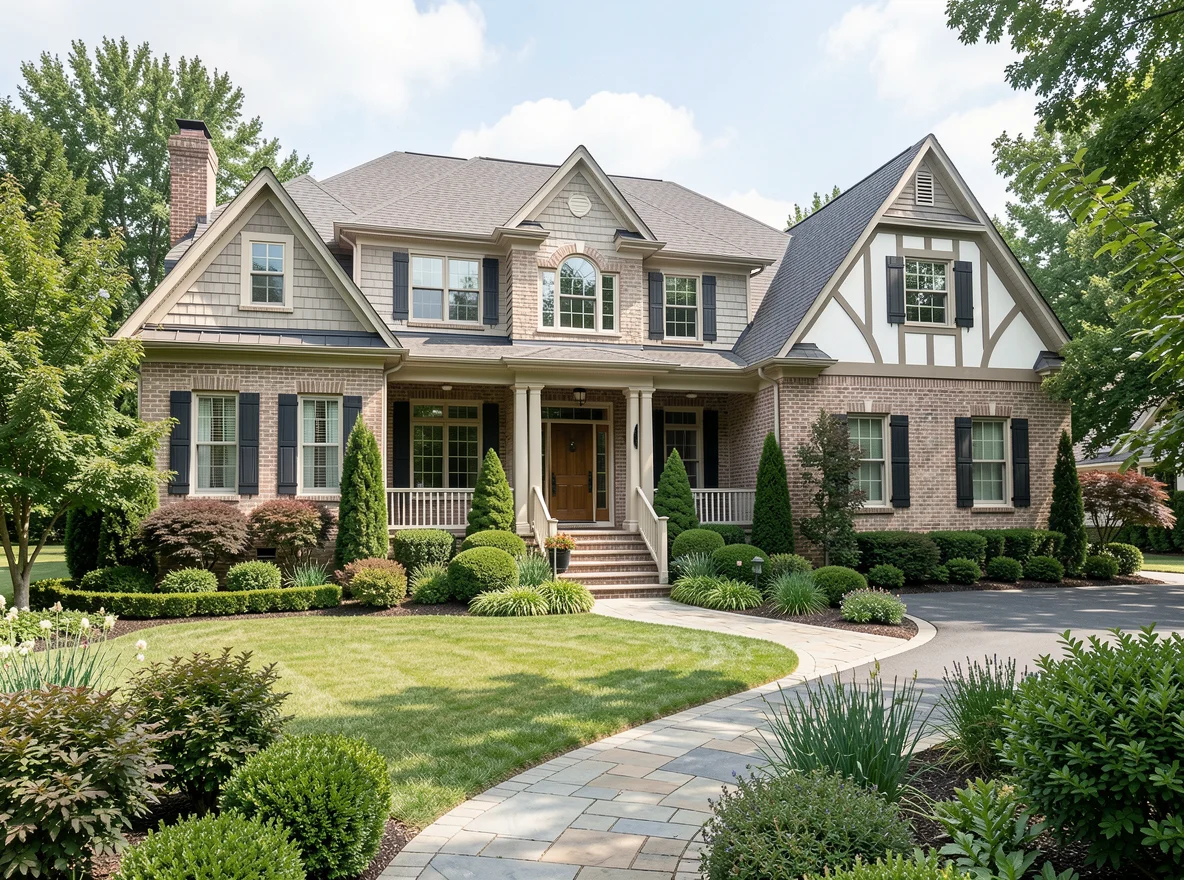
A major driver of value is location quality paired with everyday livability. Buyers attracted to Clayton are often looking for a polished residential environment with strong access to business districts, cultural destinations, medical centers, parks, and established services. That combination creates a powerful lifestyle pitch: beautiful homes in a place that feels both connected and enduring. Premium prices tend to hold when a neighborhood offers not only status, but genuine ease of living.
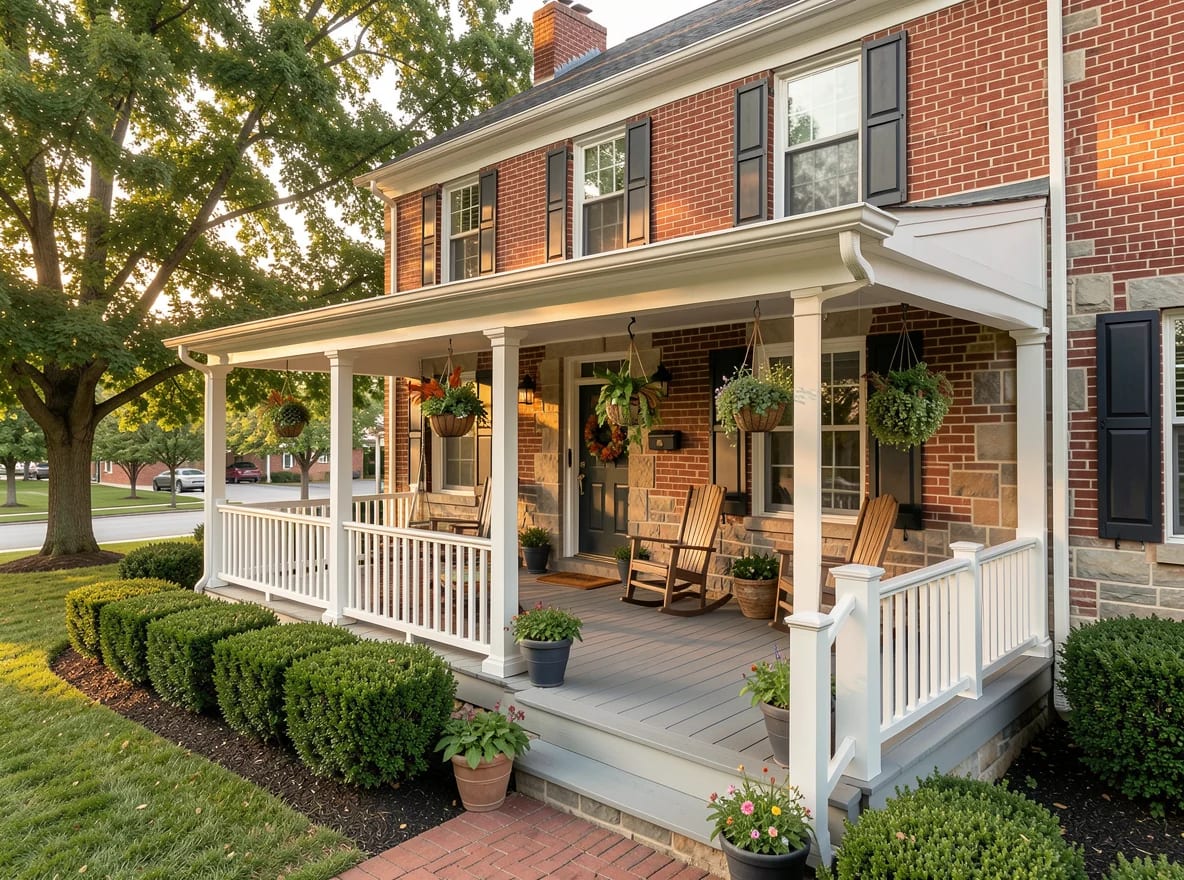
Another factor is architectural character. In markets where homes have visual distinction, tree-lined streets, thoughtful setbacks, and a sense of permanence, pricing is reinforced by the built environment itself. Buyers respond to places that feel curated rather than interchangeable. Even updated homes benefit from this context because they are part of a larger setting that communicates quality before anyone walks through the front door.
School considerations, commuting patterns, and community identity also play a role. Not every buyer values the exact same features, but premium areas usually attract a broad pool of motivated households for overlapping reasons. Some are prioritizing proximity to work and amenities. Others are focused on long-term resale strength. Still others simply want a neighborhood that feels established, polished, and difficult to replicate elsewhere. That layered demand is what helps sustain stronger pricing over time.
What Causes Sellers to Lose Value in a High-Expectation Market
Ironically, homes in premium locations do not sell well automatically. Sellers sometimes assume the address alone will carry the listing, but affluent and well-informed buyers are often more selective, not less. They compare finishes, floor plans, condition, lot quality, and presentation with remarkable precision. If a home feels overpriced relative to its actual level of preparation, buyers can hesitate quickly, and hesitation in a premium segment can be expensive.
Overpricing is one of the most common mistakes. Sellers see neighboring sale numbers and aim higher without accounting for timing, updates, layout differences, or buyer sentiment. A home that launches too aggressively can lose momentum, leading to longer market time and eventual price reductions that weaken negotiating power. In contrast, a disciplined pricing strategy often protects value better than an aspirational one, especially in markets where buyers expect sophistication and transparency.
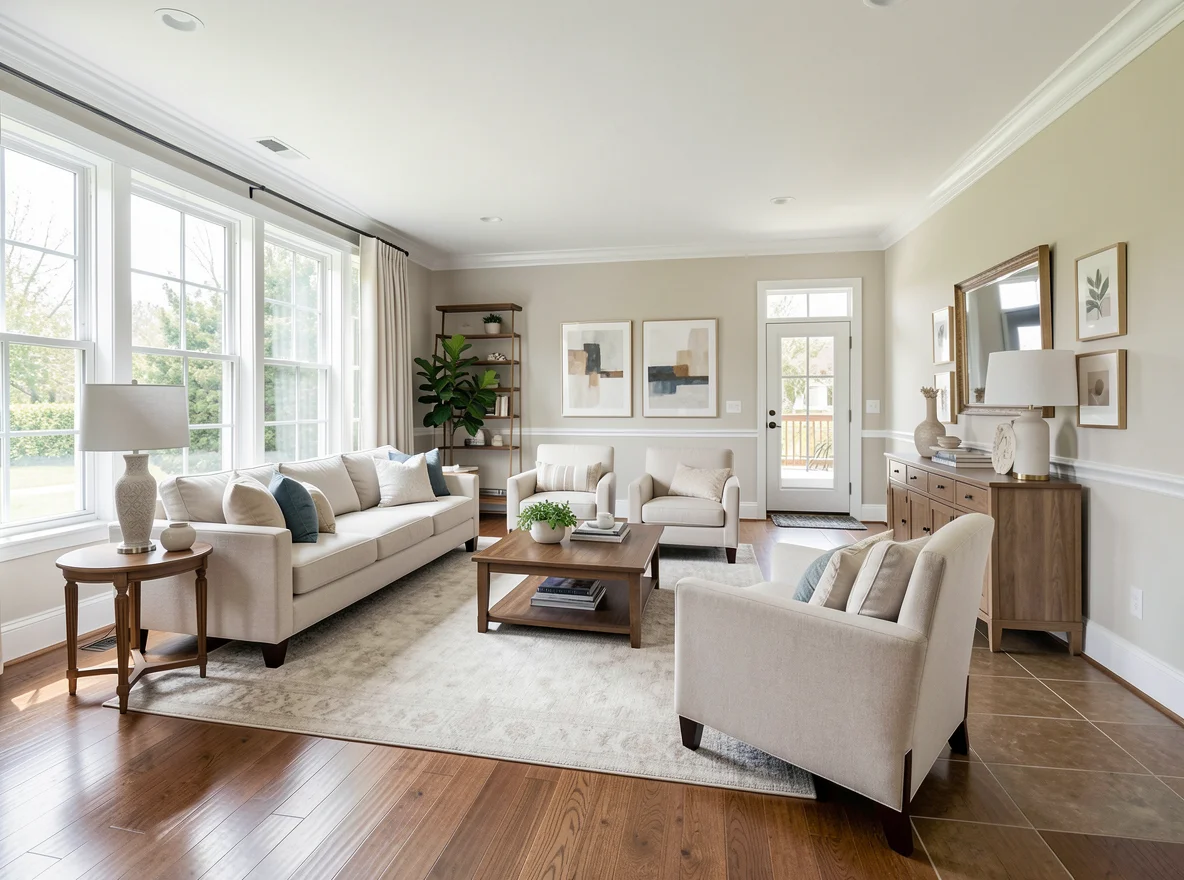
Condition is another major value protector. Buyers paying top-tier prices want reassurance. They want the home to feel cared for, intentional, and move-in ready whenever possible. That does not necessarily mean a full renovation is required, but it does mean details count. Fresh paint, refined staging, lighting updates, floor touch-ups, landscaping improvements, and pre-listing repairs can dramatically improve perception. In a premium market, perception and price are closely linked.
Marketing quality also shapes outcomes more than many sellers realize. Luxury-leaning and upper-tier buyers expect a polished presentation. Professional photography, compelling copy, strong digital exposure, and a coherent narrative about the home’s advantages all influence the final result. If the listing appears ordinary, the home may be treated as ordinary, even when the property itself deserves stronger positioning.
This is where representation matters. A client-first approach, high standards, and ethical guidance are not just feel-good qualities; they affect financial performance. Sellers benefit from an agent who is direct, accessible, and willing to give honest advice about preparation, timing, pricing, and negotiation. Through Own It Realty LLC, Arthur Turay’s broker-owner model signals accountability in a way many sellers appreciate. When premium value is at stake, responsiveness and judgment are not extras—they are part of the protection strategy.
How to Defend Your Home’s Price Before It Hits the Market
The best results usually begin weeks before the listing goes live. Sellers who protect value well start by seeing their home through a buyer’s eyes. Is the curb appeal crisp? Does the entry feel welcoming? Are rooms arranged to highlight scale and function? Are there visual distractions that make the home feel less elevated than it really is? Small refinements can create a stronger first impression, and first impressions often set the ceiling for buyer enthusiasm.
A smart pre-listing plan usually includes three layers: repairs, presentation, and positioning. Repairs handle the items that introduce doubt. Presentation highlights beauty and usability. Positioning explains where the home sits within the current market and why buyers should act. When these three pieces align, sellers are far more likely to attract serious interest early, which is when leverage is strongest.

It is also important to protect the emotional side of the sale without letting emotion drive the strategy. Premium homes often carry years of pride, investment, and memory. That is understandable. But the market responds best to evidence: comparable sales, buyer behavior, inventory levels, and the condition story your home tells relative to the competition. Strong guidance means respecting the homeowner’s investment while still making decisions grounded in reality.
Finally, sellers should remember that premium pricing is not just about attracting the highest possible offer. It is about preserving credibility throughout the process. Buyers are more likely to write confidently when a home appears well prepared, accurately valued, and professionally represented. They are also more likely to stay committed through inspections and negotiations when the transaction begins with trust rather than friction.
Clayton commands premium prices because buyers see enduring value there. Sellers who want to capture that advantage should not rely on reputation alone. They should pair the strength of the location with disciplined preparation, polished marketing, and principled representation. Done well, that approach does more than support a strong asking price—it helps protect the full value of the home from listing day through closing.