


St. Louis or Chesterfield? Start With the Life You Want Between 8 a.m. and 8 p.m.
Choosing between city energy and suburban ease is rarely just about square footage. It is about how your mornings feel, how far your paycheck stretches, and what kind of Saturday naturally unfolds once the workweek ends. For buyers comparing St. Louis and Chesterfield, the decision often comes down to three practical questions: How long will I commute? What can I comfortably afford? and Where will I actually enjoy living?
Both places offer strong reasons to say yes. One gives you faster access to major cultural institutions, older neighborhoods with character, and a more urban rhythm. The other offers newer housing options, polished retail corridors, highly sought-after suburban convenience, and a pace that many households find easier to manage. The right answer is not universal; it depends on the lifestyle you want to build.

If your work pulls you toward the central corridor, major medical campuses, universities, or downtown office nodes, St. Louis can dramatically simplify the weekday routine. Living closer to the city core may mean shorter drive times, more route options, and less dependence on long stretches of highway. That matters more than many buyers expect. A commute that saves even 20 minutes each way can return hours to your week, and those hours quickly become dinner at home, an evening walk, or simply less stress.
Chesterfield, on the other hand, makes a persuasive case for people whose jobs are in West County, nearby business parks, or locations with easier highway access from the suburbs. The roads can still get busy, of course, but many buyers willingly trade a longer drive to the urban core for a more predictable neighborhood environment once they get home. Wider roads, newer developments, and the sense of having errands neatly within reach are part of the appeal.
Budget is where the contrast often sharpens. In St. Louis, buyers can find a broader mix of home prices, housing stock ages, and neighborhood personalities. Historic brick homes, compact condos, renovated townhomes, and move-in-ready single-family properties all exist within a relatively wide pricing spectrum. That variety can create opportunities for first-time buyers, investors, and households that value character over newer finishes. Taxes, maintenance, and renovation needs should still be weighed carefully, but the city often gives buyers more pathways into ownership.
How Housing Dollars Behave Differently in Each Market
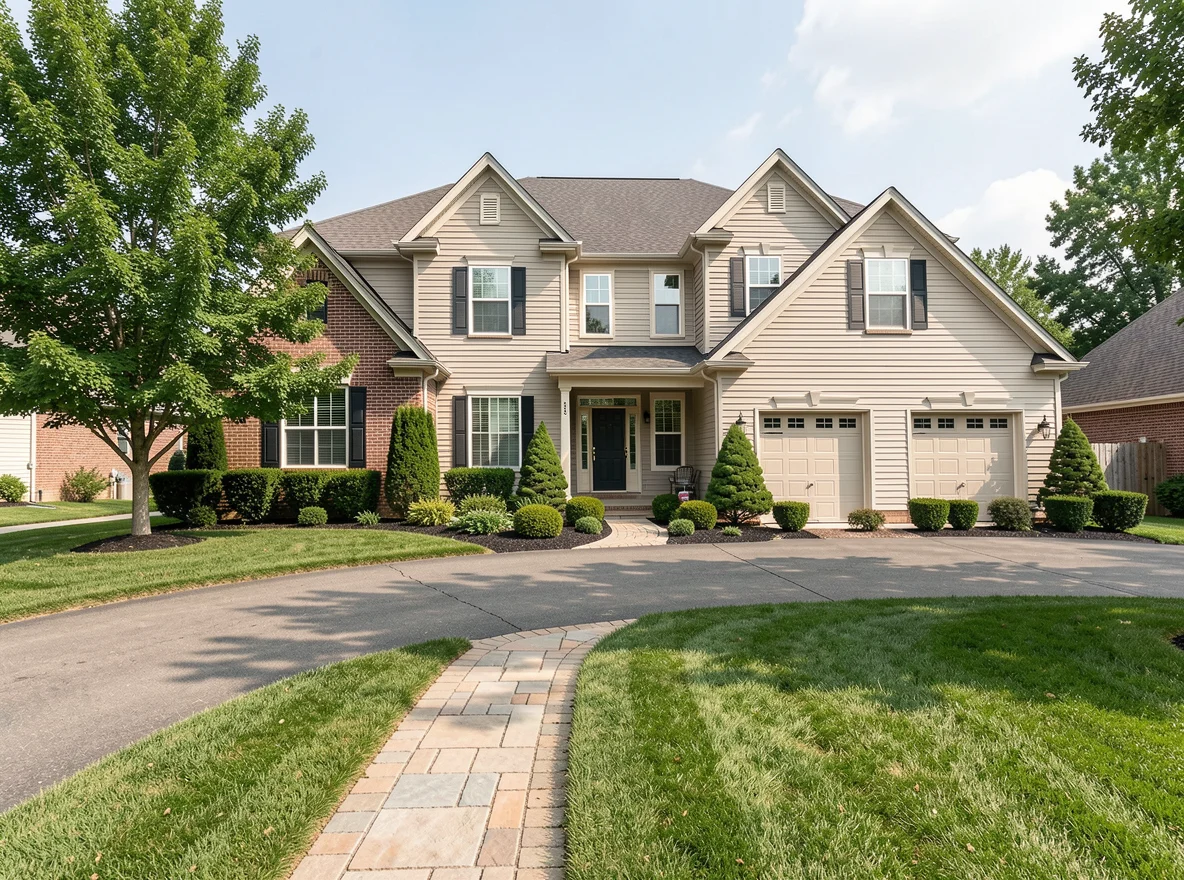
In Chesterfield, the market often reflects the premium many buyers are willing to pay for suburban planning, school reputation, and larger-lot living. Homes may come with more modern layouts, attached garages, newer subdivisions, and community amenities that are harder to find in older city neighborhoods. For some households, that premium feels justified because it supports a very specific lifestyle: more storage, more parking, more backyard, and a little more breathing room.
That does not automatically mean Chesterfield is the “better” value. It simply means value is defined differently there. If your priority is turnkey living with suburban consistency, you may feel your money is well spent. If your priority is maximizing location, architectural character, or entry price flexibility, St. Louis may offer stronger alignment. The smartest buyers look beyond list price and compare total monthly cost, future upkeep, insurance, transportation, and how often they will actually use the features they are paying for.
Weekend style is another major separator. St. Louis suits people who like spontaneity. A museum afternoon, live music night, neighborhood brunch, local park stroll, sporting event, or quick trip to a beloved food spot can all happen with relatively little planning when you live closer in. The city offers variety in a way that feels layered and always slightly in motion. For buyers who want their home base to connect them to culture and activity, that rhythm can be hard to beat.
Chesterfield weekends often feel more structured, and for many people that is the point. There is room for organized sports, shopping runs, family dinners, green spaces, and easy parking almost everywhere you go. Recreation tends to feel convenient rather than hectic. If your ideal Saturday includes coffee, errands that take half the time, a youth game, a dinner reservation, and still enough energy left for a relaxed evening at home, suburban life may fit naturally.
Schools, Recreation, and the Day-to-Day Feel
For households with children, school considerations often weigh heavily in this comparison. Chesterfield is frequently on the radar of buyers specifically because of access to well-regarded school options and family-oriented neighborhoods. Sidewalks, cul-de-sacs, sports leagues, and a community setup that feels designed for routines all play into that appeal. Buyers planning several years ahead often see this as a major reason to stretch their budget.
St. Louis attracts a different but equally thoughtful buyer pool: people who want educational variety, established neighborhoods, and proximity to institutions, enrichment opportunities, and city amenities. Some buyers are drawn by magnet, private, charter, or specialty school pathways, while others value exposure to a broader urban environment. The right fit depends less on broad assumptions and more on your household’s priorities, commute map, and comfort with the pace of each setting.

Recreation follows the same pattern. In St. Louis, fun can be more eclectic and more immediate, with a mix of city parks, historic neighborhoods, major attractions, and constantly changing events. In Chesterfield, recreation often feels spacious and family-friendly, with trails, green areas, athletic facilities, and polished public amenities that make regular routines easy to sustain. Neither is inherently better; they simply reward different habits.
Real estate strategy matters here too. Buyers who expect their first home to be a stepping stone may find St. Louis offers more entry points and renovation upside, depending on neighborhood and property condition. Buyers seeking a long-term suburban landing place may be more drawn to Chesterfield’s stability, layout preferences, and resale appeal among similar future buyers. The best move is to think not only about what fits today, but what will still fit after a job change, a growing family, or evolving lifestyle needs.
That is where guidance becomes invaluable. A client-first approach, high ethical standards, and direct communication can make this decision far less overwhelming. Working with a brokerage like Own It Realty LLC means your search can stay grounded in what actually matters to you rather than in generic market noise. Whether you are leaning urban, suburban, or still somewhere in between, the goal is not to “win” the comparison. It is to choose the place that supports your commute, respects your budget, and makes your weekends feel like your own.
So if you are weighing St. Louis against Chesterfield, start with your calendar, not just the listings. Picture your Monday morning, your monthly payment, and your ideal Saturday afternoon. Once those answers become clear, the right ZIP code usually does too.